
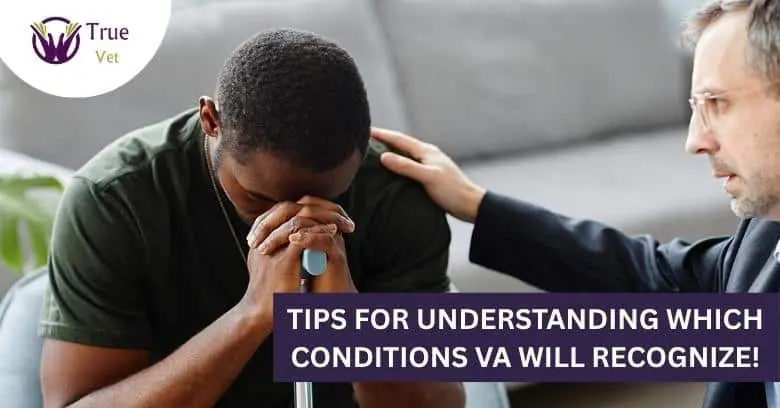
Navigating the world of VA benefits can feel like trying to solve a constantly changing puzzle - complicated, overwhelming, and sometimes downright confusing. For veterans in Florida, Texas, or anywhere across the nation, one of the most common hurdles is understanding which medical conditions the Department of Veterans Affairs or VA will recognize for the purpose of benefit eligibility. This is an especially crucial first step not just for receiving much-needed healthcare support but also for accessing compensation, career support, and a smoother reintegration into civilian life.
From physical injuries sustained in the line of duty to mental health concerns that surface long after service, veterans are often unsure which diagnoses the VA will consider service-connected and thus eligible for monthly compensation or ongoing medical care. Complicating matters, the VA has a nuanced system of classification, with some conditions clearly defined on their lists and others determined by a combination of medical evidence, documentation of service, and the sometimes subjective judgment of claims reviewers.
With the steady influx of veterans returning to civilian life in states like Florida and Texas, the demand for VA benefits assistance has soared. Veterans, their families, and advocates often find themselves seeking clearer guidance, frustrated by long wait times or denied claims simply due to misunderstandings over what the VA will and will not recognize. The stakes are high as a claim denied for a misunderstood or undocumented condition could mean the loss of vital financial or healthcare support.
What further complicates the matter is the perception that you have to be seriously injured or have a combat wound to receive benefits. In reality, the VA recognizes a broad spectrum of medical issues, including chronic illnesses, respiratory problems, post-traumatic stress disorder (PTSD), and even conditions that develop long after active duty has ended, provided they can be reasonably linked to service.
Moreover, every state brings its own unique challenges and opportunities for veterans. In Florida, with its vast population of retirees and veterans, the process is often shaped by local VA offices and the support networks available. In Texas, the state's vast size and numerous military installations create a distinct environment, with evolving state-level benefits and advocacy organizations playing a crucial role in helping veterans navigate the federal system.
Understanding the landscape means being proactive, learning not just what is on the official list, but also what supporting evidence can tip the scales in your favor, which resources can offer the most effective VA benefits assistance, and how you can maximize your chances for success whether you are applying in Florida, Texas, or beyond. We will break down the essentials: which conditions the VA will recognize, how to prove your case, and the best tips for getting the benefits you rightfully deserve.
Understanding the VA's Criteria for Recognizing Conditions
The process for determining whether a condition is eligible for VA benefits hinges on a central concept: service connection. This essentially means that the illness, injury, or mental health disorder must be linked to your military service, either it began during your service, was caused by your duties, or was made worse by your service. This service connection is the backbone of almost every VA claim.
For those living in Florida, Texas, or any other state, the criteria remain the same, but nuances in state support systems or regional VA offices may affect your experience. The VA looks for:
- Medical evidence of a current diagnosed disability
- Proof of an incident, injury, or event during your service
- Medical nexus or a clear connection between your service and the current condition
For example, a veteran who experienced loud noise exposure during training exercises and now has hearing loss would need records showing both the exposure event and a medical diagnosis connecting it to current hearing loss.
Which Conditions Will the VA Recognize?
The VA's approach to benefits eligibility centers on the principle of service connection or if a veteran's condition can be linked to their military service, it may be recognized for compensation or healthcare. Here is a closer look at how this works and why it matters for individuals seeking VA benefits in Florida, Texas, and nationwide.
1. Service-Connected Conditions
At its core, a service-connected condition is any illness, injury, or ailment that was incurred or aggravated while a veteran was serving in the armed forces. This could range from combat-related injuries to illnesses contracted during service to the worsening of a pre-existing condition during military duty.
The VA divides these into several categories:
- Direct Service Connection: The condition was directly caused by or first appeared during military service such as a broken limb, hearing loss from loud machinery, or PTSD after a traumatic event.
- Aggravated by Service: Pre-existing conditions that worsened significantly due to military service such as asthma exacerbated by exposure to chemicals.
- Presumptive Conditions: Some illnesses are presumed by the VA to be service-connected if they manifest within a certain timeframe post-service, especially if the veteran served in specific locations or under certain circumstances such as exposure to Agent Orange in Vietnam or burn pits in Iraq and Afghanistan.
- Secondary Service Connection: This applies to conditions that result from or are worsened by another service-connected condition such as a knee injury leading to secondary hip or back issues.
2. Commonly Recognized VA Conditions
Veterans in Florida and Texas should know that the VA maintains a list of commonly recognized conditions, which includes but is not limited to:
- Physical injuries: Fractures, amputations, shrapnel wounds, and traumatic brain injuries.
- Musculoskeletal issues: Chronic back pain, arthritis, joint disorders.
- Respiratory diseases: Asthma, chronic bronchitis, sinusitis, or illnesses linked to exposure to burn pits or hazardous chemicals.
- Cancers: Especially those related to exposure, such as Agent Orange or contaminated water at Camp Lejeune.
- Cardiovascular conditions: Hypertension, heart disease, and complications stemming from service-related issues.
- Hearing loss and tinnitus: Extremely common, particularly in combat veterans and those exposed to loud machinery or explosions.
- Mental health disorders: PTSD, anxiety, depression, and other psychological conditions stemming from service experiences.
- Gulf War Syndrome: For those who served in the Persian Gulf, a range of unexplained symptoms is recognized under this umbrella.
3. Lesser-Known and Secondary Conditions
Do not assume you need a dramatic injury or be a combat veteran to qualify! Many veterans overlook conditions that can and should be covered under VA benefits. These may include:
- Skin conditions resulting from chemical exposure or excessive sun exposure during deployment.
- Sleep apnea, especially if it can be linked to physical injuries or PTSD.
- Migraines and chronic headaches, which are particularly common for veterans with concussions or head injuries.
- Gastrointestinal issues related to stress or medication taken during service.
- Autoimmune disorders triggered by environmental exposures.
- Sexual dysfunction as a secondary symptom of PTSD or physical injuries.
Proving Service Connection: Tips and Traps
Claiming VA benefits in Florida, Texas, or anywhere else hinges on demonstrating a clear link between your service and your condition. Here are key strategies:
- Obtain Thorough Documentation: Gather your complete service records, deployment orders, and medical records, anything that supports when, where, and how your condition began or was aggravated.
- Use Lay Statements: Statements from family, friends, or fellow veterans can provide crucial buddy evidence about your symptoms or incidents during service.
- Medical Nexus Letter: A detailed statement from your physician linking your diagnosis to your service can be a game-changer, especially for complex or secondary conditions.
- Be Persistent: Many claims are denied on the first attempt due to incomplete documentation or technicalities. Use VA benefits assistance programs, Veterans Service Organizations, and local support networks for guidance on appeals and resubmissions.
State-Specific Considerations: Florida and Texas
Each state implements its own additional programs and networks to assist veterans.
- Florida: Known for its large veteran population, Florida offers extensive local VA offices, county veteran service officers or CVSOs, and a variety of academic and healthcare partnerships. Leveraging these resources can help untangle the bureaucratic red tape and connect you with knowledgeable assistance.
- Texas: With numerous military installations and a rapidly growing community of retired veterans, Texas offers unique support through state-level benefits, housing programs, and a widespread network of advocacy organizations. Don't overlook the help available from accredited Texas claims agents, veteran resource services, and county VSOs.
The Role of VA Benefits Assistance
Given the complexity of the system, engaging with a VA benefits assistance specialist can make a world of difference. They can help by:
- Reviewing and organizing your documentation.
- Advising on how best to frame your claim for maximum impact.
- Navigating the appeals process, if needed.
- Connecting you with local resources, support groups, and specialized medical or legal help.
In both Florida and Texas, many nonprofit organizations, county veteran service officers, and accredited representatives can offer these services free of charge or at a low cost.
Building a Strong VA Claim: Documentation and Advocacy
Success with VA benefits often depends on documentation and advocacy. Veterans should:
- Gather all medical records, both military and civilian, showing diagnosis and treatment
- Collect evidence of the in-service event, incident, or exposure
- Obtain statements from fellow service members or supervisors, if possible
- Seek out medical opinions from VA or private doctors connecting the current disability to military service
Many applicants in Florida and Texas find that working with a VSO, CVSO, or a trusted attorney improves their chances of claim approval. These professionals understand the precise language and forms the VA prefers so that paperwork is filed correctly and no critical details are overlooked.
Recent Updates and Ongoing Changes
The VA regularly updates its list of recognized conditions, particularly as new scientific research emerges linking service environments such as burn pit exposure, contaminated water, or chemical agents to long-term health issues. For example, recent legislative changes have expanded presumptive eligibility for conditions linked to toxic exposures, dramatically benefiting thousands of veterans in both Florida and Texas.
Stay up to date by:
- Monitoring the VA's official website and press releases.
- Connecting with advocacy groups specializing in recent legislative changes.
- Attending informational seminars or outreach events at your local VA office.
Conclusion
For veterans eager to access the benefits they have earned, understanding which conditions the VA will recognize is more than just a technicality, it is a lifeline. With each claim, there is not just paperwork at stake, but real access to healthcare, compensation, and meaningful support on the road back to civilian life. Whether you are navigating these waters in Florida, Texas, or anywhere else, know that you are not alone. By staying informed, meticulously documenting your case, and seeking out skilled VA benefits assistance, you can cut through the bureaucratic fog and put yourself in the best possible position for success.
Remember, the VA's scope for recognized conditions is broader than many realize, from visible injuries to less obvious illnesses and mental health issues. It is crucial to be proactive, seek out trusted assistance, and push through the system's inevitable roadblocks. Your service is valued, and so is your health, so equip yourself with the knowledge, tools, and support needed to advocate for your benefits.
If you or a loved one is struggling with the process, do not hesitate, reach out to local resources in Florida or Texas and connect with a VA benefits assistance expert. You have served your country; now let the system serve you!
Key Takeaways
- Understand the Scope of Recognized Conditions: The VA acknowledges a wide range of service-connected conditions, including physical injuries, chronic diseases, mental health disorders, and even secondary issues. It is vital to familiarize yourself with both the obvious and lesser-known diagnosable conditions.
- Documentation is Your Best Friend: Gather every supporting document possible including medical records, service history, buddy statements, and physician nexus letters when preparing your VA claim. Detailed documentation increases the likelihood that your condition will be recognized and that you will receive the compensation to which you are entitled.
- Leverage Local Resources: Florida and Texas offer unique, state-specific veteran support resources, including county veteran service officers, advocacy groups, healthcare associations, and legal aid programs. These can offer invaluable VA benefits assistance throughout your claim process.
- Do Not Overlook Mental Health: Psychological conditions like PTSD, anxiety, and depression are frequently recognized by the VA. Even if symptoms emerge years after service, make sure they are well-documented and linked to your military experience when filing a claim.
- Presumptive and Secondary Conditions Matter: Many conditions, especially those linked to specific deployments or exposures, are presumed by the VA to be service-connected. Additionally, understand how primary service-related conditions can lead to recognized secondary issues, widening your eligibility for benefits.
- Stay Updated on VA Policy Changes: The VA regularly revises its list of covered conditions and eligibility criteria. Stay informed about legislative changes, particularly those related to new presumptive conditions for toxic exposures or new deployments.
- Appeals are Part of the Process: Initial denials are common, but do not get discouraged. The appeals process, when paired with the right assistance, can turn many denied claims into successful ones. Persistence and thoroughness are key.
- Seek Expert VA Benefits Assistance: Accredited representatives, VSOs, and nonprofit organizations in Florida and Texas specialize in guiding veterans through every step including claim preparation, filing, and appeals. Their support can dramatically improve your chances.
- Each State Offers Unique Perks: In addition to federal VA benefits, explore what is available at the state level as Florida and Texas both have extra programs addressing education, healthcare, and employment for veterans.
- Be Your Own Advocate: Navigating the VA system can be daunting, but staying proactive, informed, and determined makes all the difference. Do not hesitate to reach out, ask questions, and utilize all the resources available to you.
FAQs
1. What does the VA consider a service-connected condition?
A service-connected condition is any illness or injury that was incurred or aggravated by your military service. This includes physical injuries, chronic diseases, and mental health issues that can be reasonably linked to your time in the armed forces.
2. How can I prove my condition is related to my service for VA benefits?
You will need medical records, service documentation, and ideally a physician's nexus letter explicitly stating the link between your military service and your current condition. Buddy statements can also be helpful evidence.
3. Is PTSD recognized by the VA for benefits eligibility?
Absolutely. PTSD is one of the most frequently recognized conditions by the VA. It requires a clear medical diagnosis and documentation tying the manifestation to service events.
4. Are there special programs for VA Benefits Assistance in Florida?
Yes! Florida offers a network of county veteran service officers, nonprofit support organizations, and statewide academic partnerships that provide hands-on help with claims, appeals, and benefit navigation.
5. Does Texas offer additional resources for veterans seeking VA benefits?
Texas prides itself on strong support, including accredited VSOs, housing assistance, legal aid, and employment programs tailored for veterans and their families.
6. What if my initial VA claim is denied?
Do not panic as many claims are denied on the first try. Engage with VA benefits assistance specialists, gather any missing evidence, and file an appeal. Persistence pays off in many cases.
7. Are secondary conditions eligible for VA benefits?
Yes, if a service-connected primary condition leads to a secondary medical issue such as knee injuries causing hip pain, you may claim both, which can often result in increased overall benefits.
8. What are presumptive conditions and how do I know if I qualify?
Presumptive conditions are illnesses the VA acknowledges likely stem from certain exposures or deployments like Agent Orange, burn pits, and the Gulf War. Your eligibility depends on your service location, the time of your service, and the nature of your diagnosis.
9. Where can I find up-to-date information about recognized conditions?
Monitor the VA's official website and local veteran advocacy organizations in Florida and Texas. Regular seminars, local VA clinics, and online resources are also valuable.
10. How can I get help organizing my VA claim documents and evidence?
Contact your local county veteran service officer, accredited VSO, or nonprofit organizations specializing in VA benefits assistance. They offer direct support for gathering, organizing, and submitting your claim to maximize your chances of success.
Check Out Who is Posting This Article!
https://smb.bogalusadailynews.com/article/Tips-for-Understanding-Which-Conditions-the-VA-Will-Recognize?storyId=68dcabd4115a7100029ff299 https://smb.natchezdemocrat.com/article/Tips-for-Understanding-Which-Conditions-the-VA-Will-Recognize?storyId=68dcabd4115a7100029ff299 https://smb.orangeleader.com/article/Tips-for-Understanding-Which-Conditions-the-VA-Will-Recognize?storyId=68dcabd4115a7100029ff299 https://smb.albertleatribune.com/article/Tips-for-Understanding-Which-Conditions-the-VA-Will-Recognize?storyId=68dcabd4115a7100029ff299 https://smb.panolian.com/article/Tips-for-Understanding-Which-Conditions-the-VA-Will-Recognize?storyId=68dcabd4115a7100029ff299 https://smb.claiborneprogress.net/article/Tips-for-Understanding-Which-Conditions-the-VA-Will-Recognize?storyId=68dcabd4115a7100029ff299 https://smb.demopolistimes.com/article/Tips-for-Understanding-Which-Conditions-the-VA-Will-Recognize?storyId=68dcabd4115a7100029ff299 https://smb.jessaminejournal.com/article/Tips-for-Understanding-Which-Conditions-the-VA-Will-Recognize?storyId=68dcabd4115a7100029ff299 https://smb.windsorweekly.com/article/Tips-for-Understanding-Which-Conditions-the-VA-Will-Recognize?storyId=68dcabd4115a7100029ff299 https://smb.clemmonscourier.net/article/Tips-for-Understanding-Which-Conditions-the-VA-Will-Recognize?storyId=68dcabd4115a7100029ff299 https://smb.gatescountyindex.com/article/Tips-for-Understanding-Which-Conditions-the-VA-Will-Recognize?storyId=68dcabd4115a7100029ff299 https://smb.ourdavie.com/article/Tips-for-Understanding-Which-Conditions-the-VA-Will-Recognize?storyId=68dcabd4115a7100029ff299 https://smb.thecharlottegazette.com/article/Tips-for-Understanding-Which-Conditions-the-VA-Will-Recognize?storyId=68dcabd4115a7100029ff299 https://smb.farmvilleherald.com/article/Tips-for-Understanding-Which-Conditions-the-VA-Will-Recognize?storyId=68dcabd4115a7100029ff299 https://smb.suffolknewsherald.com/article/Tips-for-Understanding-Which-Conditions-the-VA-Will-Recognize?storyId=68dcabd4115a7100029ff299 https://smb.thewashingtondailynews.com/article/Tips-for-Understanding-Which-Conditions-the-VA-Will-Recognize?storyId=68dcabd4115a7100029ff299 https://pr.washingtoncitypaper.com/article/Tips-for-Understanding-Which-Conditions-the-VA-Will-Recognize?storyId=68dcabd4115a7100029ff299 https://smb.prentissheadlight.com/article/Tips-for-Understanding-Which-Conditions-the-VA-Will-Recognize?storyId=68dcabd4115a7100029ff299 https://pr.walnutcreekmagazine.com/article/Tips-for-Understanding-Which-Conditions-the-VA-Will-Recognize?storyId=68dcabd4115a7100029ff299 https://pr.chestercounty.com/article/Tips-for-Understanding-Which-Conditions-the-VA-Will-Recognize?storyId=68dcabd4115a7100029ff299 https://pr.wncbusiness.com/article/Tips-for-Understanding-Which-Conditions-the-VA-Will-Recognize?storyId=68dcabd4115a7100029ff299 https://pr.franklintownnews.com/article/Tips-for-Understanding-Which-Conditions-the-VA-Will-Recognize?storyId=68dcabd4115a7100029ff299 https://pr.hopedaletownnews.com/article/Tips-for-Understanding-Which-Conditions-the-VA-Will-Recognize?storyId=68dcabd4115a7100029ff299 https://pr.omahamagazine.com/article/Tips-for-Understanding-Which-Conditions-the-VA-Will-Recognize?storyId=68dcabd4115a7100029ff299 https://pr.mysugarhousejournal.com/article/Tips-for-Understanding-Which-Conditions-the-VA-Will-Recognize?storyId=68dcabd4115a7100029ff299 https://pr.herrimanjournal.com/article/Tips-for-Understanding-Which-Conditions-the-VA-Will-Recognize?storyId=68dcabd4115a7100029ff299 https://pr.midvalejournal.com/article/Tips-for-Understanding-Which-Conditions-the-VA-Will-Recognize?storyId=68dcabd4115a7100029ff299 https://pr.southjordanjournal.com/article/Tips-for-Understanding-Which-Conditions-the-VA-Will-Recognize?storyId=68dcabd4115a7100029ff299 https://www.htv10.tv/story/53127065/tips-for-understanding-which-conditions-the-va-will-recognize https://central.newschannelnebraska.com/story/53127065/tips-for-understanding-which-conditions-the-va-will-recognize https://metro.newschannelnebraska.com/story/53127065/tips-for-understanding-which-conditions-the-va-will-recognize https://southeast.newschannelnebraska.com/story/53127065/tips-for-understanding-which-conditions-the-va-will-recognize https://northeast.newschannelnebraska.com/story/53127065/tips-for-understanding-which-conditions-the-va-will-recognize https://plattevalley.newschannelnebraska.com/story/53127065/tips-for-understanding-which-conditions-the-va-will-recognize https://panhandle.newschannelnebraska.com/story/53127065/tips-for-understanding-which-conditions-the-va-will-recognize https://rivercountry.newschannelnebraska.com/story/53127065/tips-for-understanding-which-conditions-the-va-will-recognize
Related Posts
If you or a loved one has recently received a 100% disability rating from the Department of Veterans Affairs or VA, you might assume the primary benefit is the monthly compensation. Yet here is the thing - achieving a 100% VA disability rating in North Carolina, Illinois, and across the [...]

Navigating life on a 100% VA disability rating is a reality for thousands of veterans across the United States, including those in states like New York and Virginia. The journey to receiving this rating can be filled with paperwork, medical exams, and uncertainty, but the destination provides significant benefits that [...]
When it comes to accessing the benefits you have earned as a veteran, few are as impactful as receiving 100% VA disability. Whether you served in North Carolina, Georgia, or anywhere else, understanding the qualifications for this level of compensation can be life-changing. The VA benefits system exists to provide [...]
